Inspiration, experimentation and intuition – books as materials

Using books as ART materials is a circular process for me.
use old books to make new art

First I am inspired by something about the book.
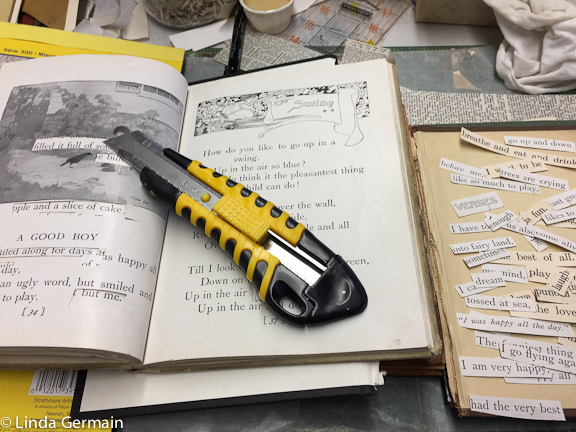
cut up and reuse old books

It could be inspired by the:

  • cover design
  • yellowed pages
  • old notes or scribbles
  • color, drawings or illustrations
  • title or story
  • kind of paper
  • spine letters
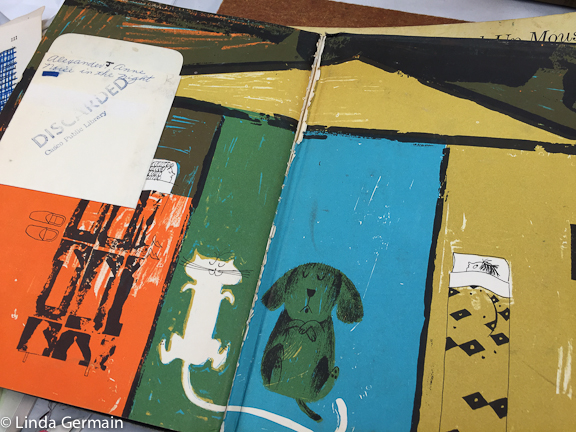
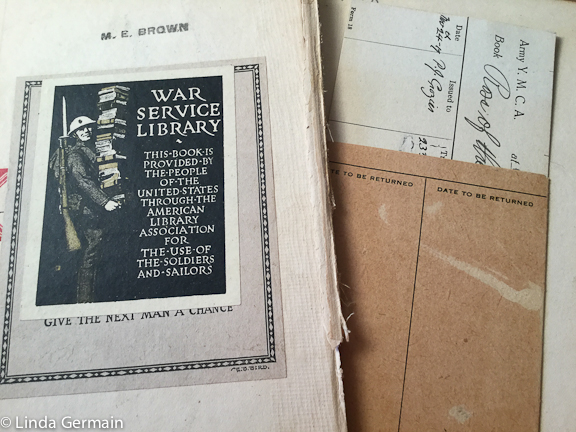
  • old pockets or labels

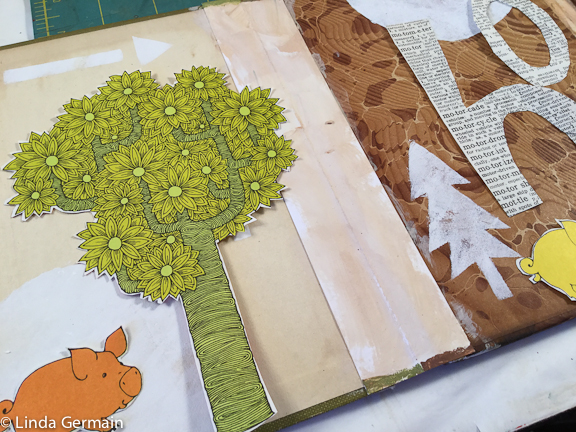
cut out drawings for collage

Then the next step is experimentation. How can I take what I love and use it in a new piece of art work? This can be the scary part, if I am really attached to the book part and afraid to wreck it or lose it. So I start with books and parts that I am not so attached to.
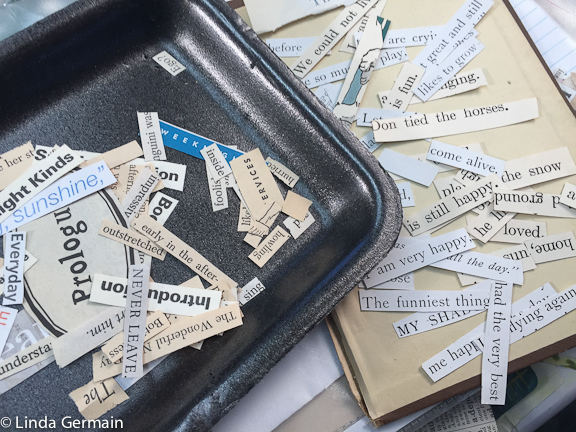
clip words and make poems

The experimentation can be:

  • Cutting the book apart to use the covers
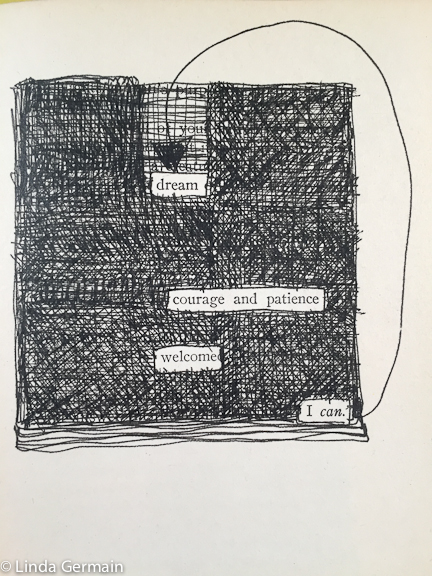
  • Making a black out poem on a page
  • Cutting and collaging pages
  • painting pages
  • folding pages into origami
  • replicating pockets and labels
  • Shredding pages into bits
  • Photocopy and enlarge drawings
  • Cutting words and making new meaning
  • Anything that you could do with paper is possible
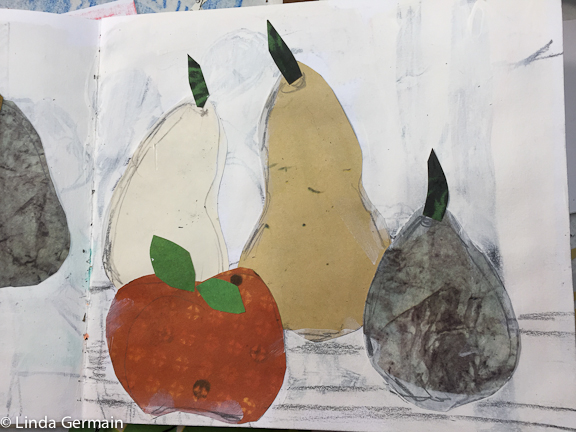
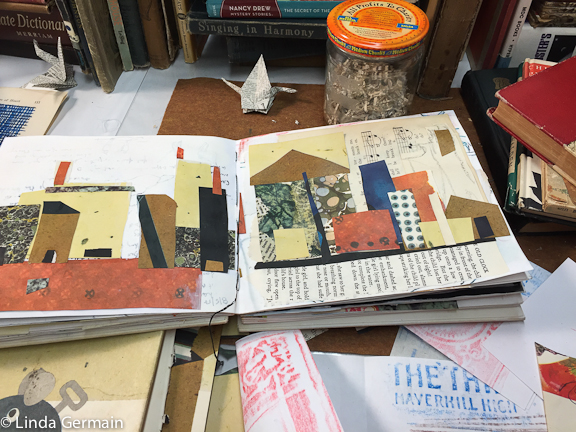
use pages to make new collages

Then the final step is following my intuition. This would be different for every artist.
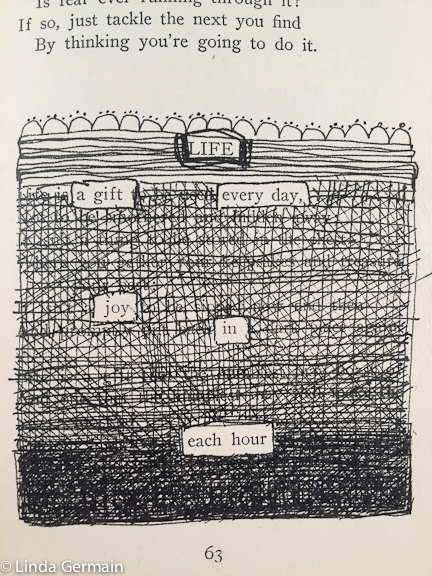
black out poems on old book pages

The things that inform my gut feelings and intuition are:

  • the texture and feel of the paper
  • the color and age of the page
  • the strength of the material
  • the intended purpose/viewer
  • design elements/principles like texture, value and focus
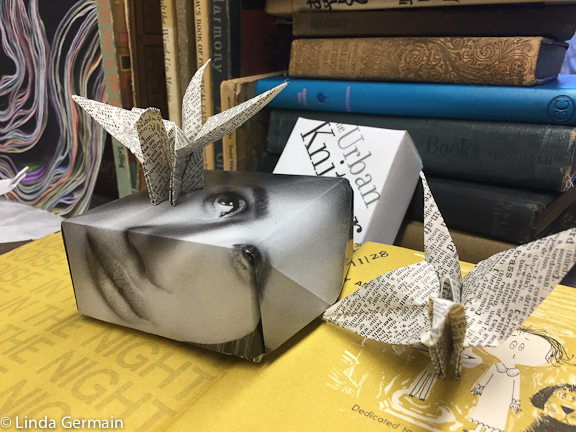
fold pages into new art

It is a back and forth of building and covering, uncovering and revealing. I often don’t know where the process is going to take me.

I hope for a pleasing expression of materials that make the viewer want to get closer and interact with the piece.

I think layers of information can pull the viewer in. They want to know and understand. I think that will be different for everyone.

Join me – in the online class – Book as ART Materials – class starts soon. READ the details on the workshop pages and register today.

Inspiration, experimentation and intuition – books as materials Read More »
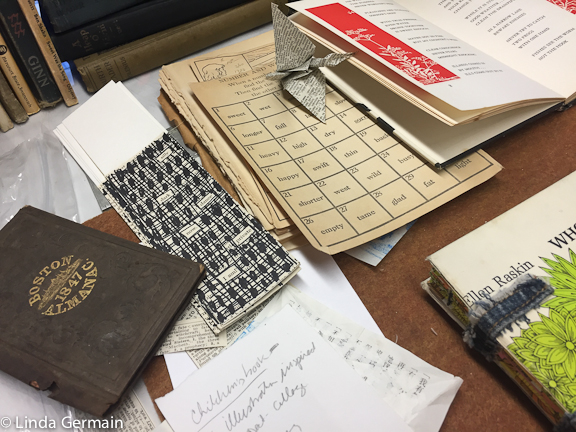
Books, paper, pictures and more

I love using books as ART materials. The book inspires and informs that art project.

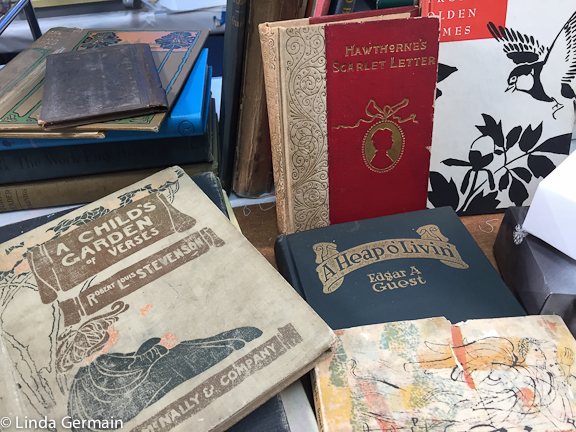
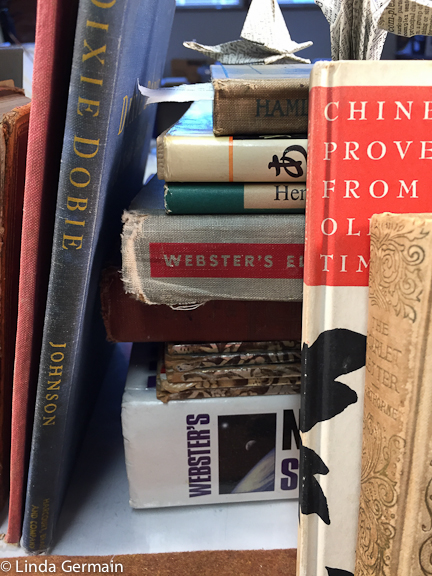
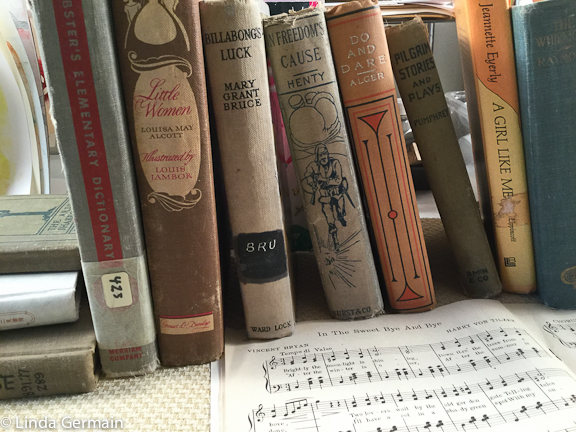
books can inspire art making

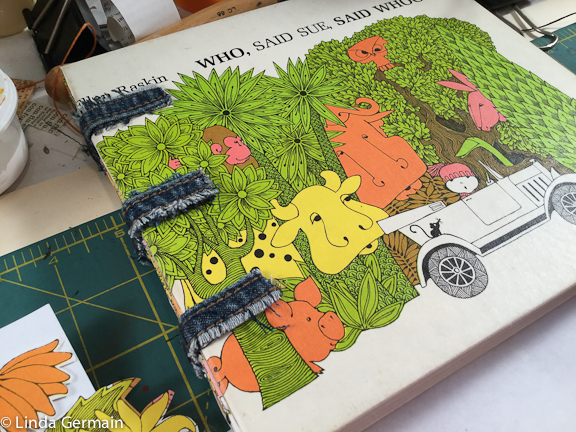
Some books are loved for the covers.

re-use this book cover to make journal

Sometimes the illustrations and drawings can be used to make new collages.

use children books to make collages

I think the more I play with books and take them apart and re-form the parts, then the more ideas I get.

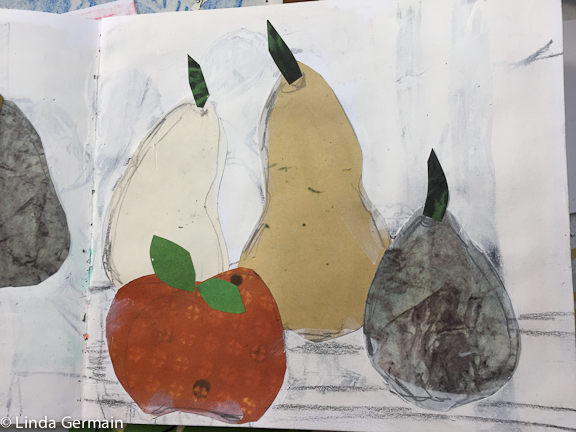
pear collage from book pages

Children’s books are great for taking apart and using the pages, covers and words to make new art.

art work in kids books can inform the project

I find my books at the local library book sales. The books are unwanted and destined for the recycle bin, so I don’t feel bad about, cut, shredding and writing in them.

black out poem from old book pages

Do you have a few books that you would like to repurpose?

MAKE!

  • poems
  • collages
  • journals,
  • tools
  • photos
  • artist books

Let’s do it!

Check out the details of the online workshops currently being offered.

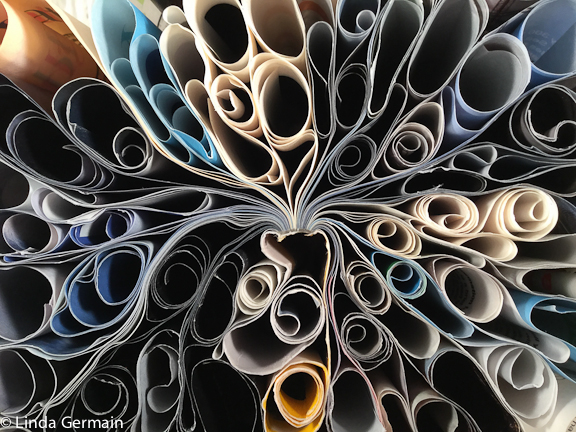
curl and photograph book pages

Pages can be curled and scrunched into new shapes and then photographed! FUN stuff.

Books, paper, pictures and more Read More »

What do books mean to you?

I must admit, I am not a big book reader, but I do love books. They can be intimate treasures that have been touched by many different people.

Story – Dream – Adventure – Escape!

books for making art

I love the old unwanted books. I love to hold them and turn the pages and take in the experience.

different books for art projects

These are the things I notice:

  • text, words and stories
  • feel of the paper
  • design of the cover
  • Notes of ownership
  • Scribbles of a child
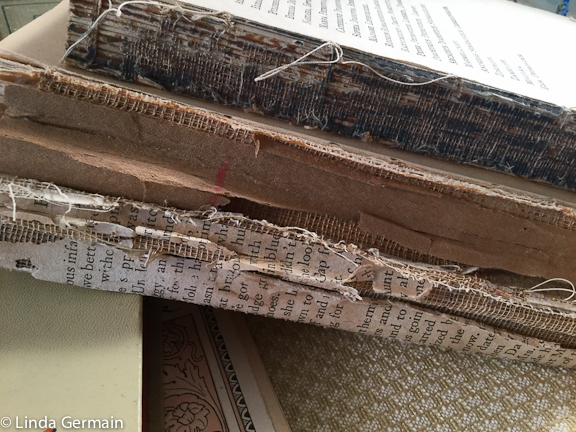
  • Glue mesh and paper of the spine
  • pockets & labels
  • withdrawal notice
  • copyright dates
  • publisher
  • illustrations, drawing and graphics
  • embossed covers

book parts for making art

Most of the books that I use to make art were destined for the recycling bin, so I think it is a win-win situation that I can use the parts to make new art.

book spines for art making

As the book is deconstructed, I learn more about and and love it even more. Of course some books feels so precious to me and they do not get torn up and cut apart. At least not yet.

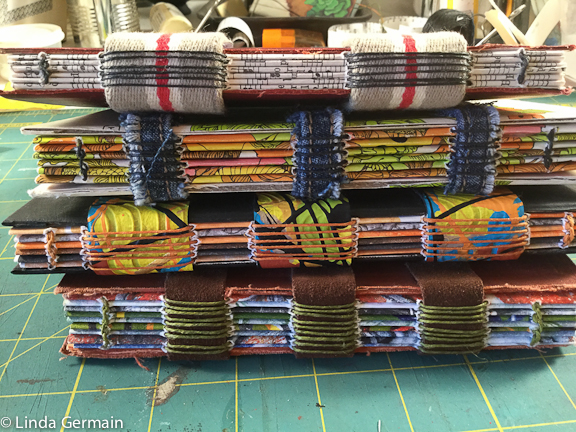
sewn tape binding by linda germain

Sometimes I use the covers and make new journals for drawings, doodles and prints.

If you have a collection of unwanted books and are brave enough to repurpose them into new works of art, then join us in the online art class – Books as ART materials.  Class starts soon. READ the details on the workshop page.

What do books mean to you? Read More »

Print Day in May – 4th 2019

We still have plenty of time to plan and join the global community of printmakers for Print Day in May.

Print Day in May began in 2007 at the Monterey Peninsula College (MPC), Monterey, CA. The MPC Fine Art Print Club (now the MPC Printmakers) created it to encourage printmakers everywhere to create prints on the same day . . . an all-inclusive printmaking effort! Join the MPC Printmakers, and make some prints during Print Day in May!

You can get into the international event:

  • Register for free on their website
  • plan a print day with your print buddies
  • get psyched about and share your passion on social media with the #printdayinmay
Instagram@printdayinmay
Facebook@printdayinmay
Twitter@printdayinmayUse #printdayinmay to be featured and to add your images to what has become an international printmaking forum!

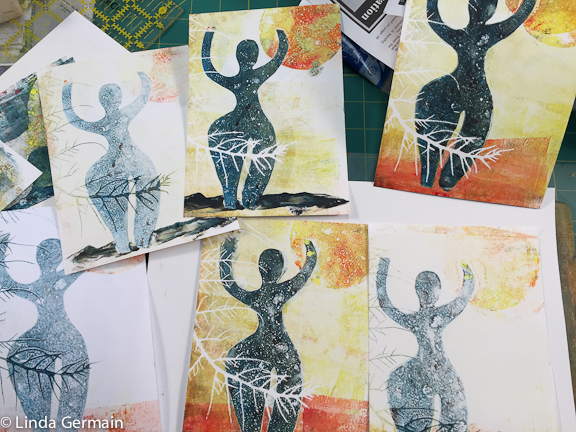
gel printing is fast and spontaneous

I have been brainstorming ideas for the event. It will be a world wide print-along, a celebration of all that printmaking has to offer.

Here are a few ideas:

  1. Print botanicals with your best friend
  2. Make messy painted monotypes with your Grandkids
  3. Make tiny gelatin plates and print a tote bag
  4. Do a print exchange with a small circle of artists
  5. Visit a print studio and print with them
  6. Try a new method of printmaking
  7. Do trace monoprints at a life drawing class
  8. Make a manhole cover print

The main goal is to print and share the joy of printmaking with other. More info about Print a day in May on their website.

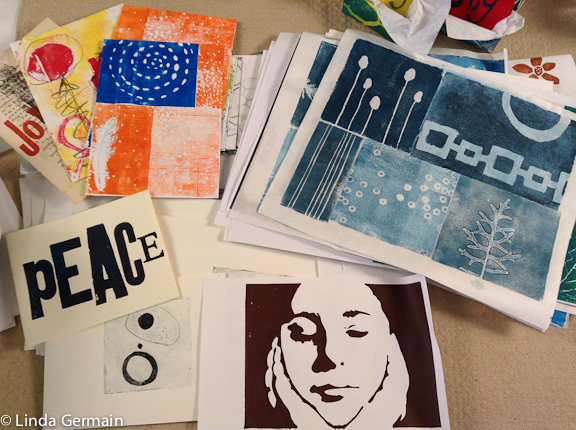
pile of prints by linda germain

Print Day in May – 4th 2019 Read More »

What do I mean – line quality?

I often think about the line quality of different printmaking techniques. The word quality may be misleading.

different line qualities in relief prints

Sometimes the word quality refers to good or bad. But that is not how I am using it, when I talk about the line quality in artwork.

Maybe character of line would be more accurate. I am talking about:

  • thick – thin
  • smooth – jagged
  • expressive – loose
  • sharp – mechanical

It is also about the expressive nature of the line and the feel or emotions it evokes.

A line can vary in thickness, length, shape, color, value and direction. Lines often help lead the viewer around the artwork.

In my practice of printmaking without a press, I explored different methods of printing that allow for and create marks of different line quality.

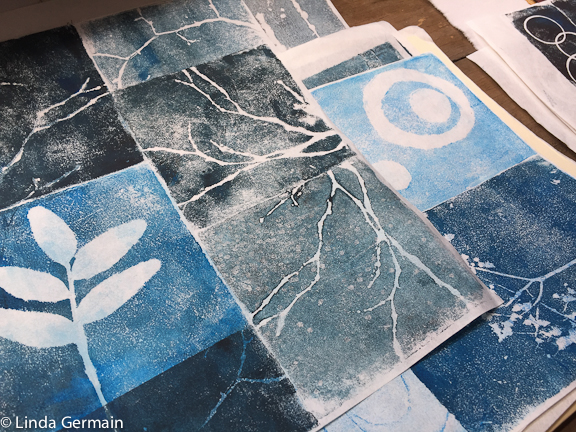
make lots of gelatin prints to get one you like

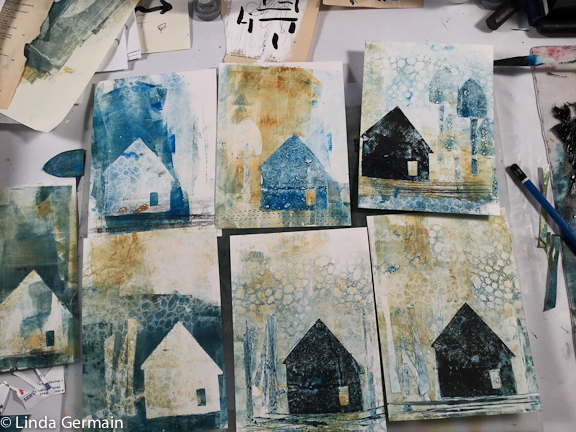
The different lines in these gelatin prints were created by the different tools that I used to produce the mark. For example the “bubbly” like lines were offset printed with a mop head.

figure drawing class linda germain

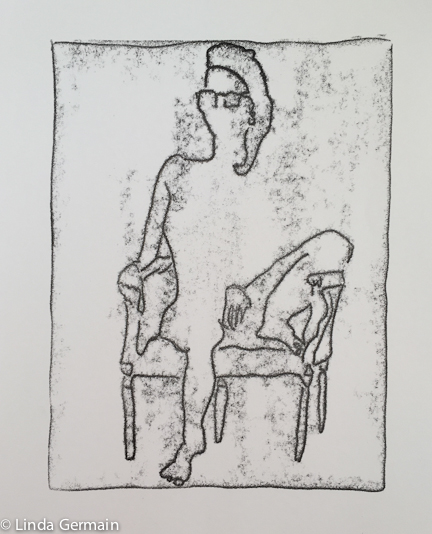
Trace monoprinting is all about the fuzzy line quality that is made on the back side of the paper to transfer the ink to the paper. Ohh I love that fuzzy line and I am not sure you could get that kind of mark any other way.

foam plate relief print

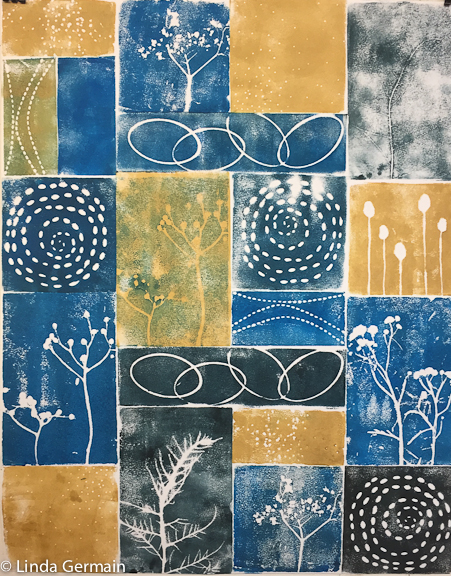
In soft plate relief printing, I search for tools to make lines with a wide range of characteristics. In the print above, I used pens, container caps, weeds, twigs, pattern wheel and masking stencils. I think I love turning found objects into printmaking tools.

I hope I have given you a new way to think about line in your artwork.

What do I mean – line quality? Read More »